
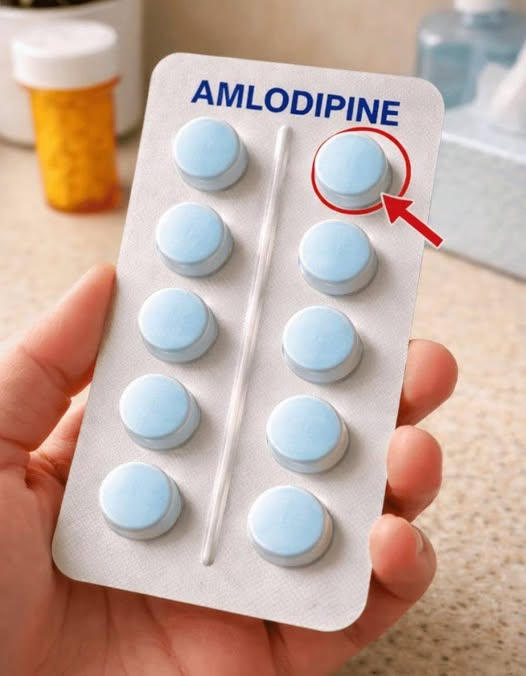
Amlodipine is a widely prescribed medication used to treat high blood pressure and certain types of chest pain. By relaxing blood vessels, it helps blood flow more easily and reduces the workload on the heart.
Although many people take amlodipine without serious problems, certain habits can increase the risk of side effects or make blood pressure more difficult to manage.
Understanding what to avoid—and what to discuss with your doctor or pharmacist—can help you use this medication safely.
Important: Never stop taking amlodipine or change your dose without medical advice. Stopping treatment may allow your blood pressure to rise again. <Cite refs={[“turn553330search0″,”turn553330search2”]}/>
1. Drinking Grapefruit Juice Without Checking Your Medication Advice
Grapefruit and grapefruit juice may affect how certain medications are processed in the body.
Some official amlodipine patient information leaflets advise avoiding grapefruit and grapefruit juice because they may increase the amount of medicine in the bloodstream and intensify its blood-pressure-lowering effects.
Recommendations can differ between product labels, so check the leaflet supplied with your medication and ask your pharmacist whether grapefruit is appropriate for you.
If you regularly drink grapefruit juice, mention this when reviewing your medicines.
2. Drinking Too Much Alcohol
Alcohol can increase the blood-pressure-lowering effect of amlodipine. For some people, this may contribute to dizziness, lightheadedness, or faintness.
If you drink alcohol, ask your healthcare professional whether it is appropriate given your blood pressure, other medications, and medical history.
Avoid alcohol if it makes you dizzy or unwell, and do not drive when experiencing these symptoms.
3. Taking New Medicines or Supplements Without Checking for Interactions
Some prescription medicines, over-the-counter products, and herbal supplements can interact with amlodipine.
Examples include certain antibiotics, antifungal medicines, other blood-pressure medications, and St John’s wort. The nature and significance of the interaction depend on the particular product and your medical circumstances.
Before starting a new medicine or supplement, tell your doctor or pharmacist that you take amlodipine.
Do not assume that a product is safe simply because it is sold without a prescription or described as natural.
4. Eating Too Much Salt
A high-sodium diet can contribute to high blood pressure, making it harder to control even when you take medication.
Try to limit frequent consumption of very salty foods, including processed meats, packaged snacks, instant soups, and some ready-made meals.
Instead, choose more fresh or minimally processed foods and flavor meals with herbs, spices, lemon, or garlic.
You do not need to eliminate salt completely. Aim for a balanced eating pattern that fits your health needs, and ask your healthcare professional for individualized advice if you have kidney disease or other dietary restrictions.
5. Ignoring Persistent Swelling in Your Ankles or Feet
Swelling in the ankles, feet, or lower legs is a common side effect of amlodipine. It can occur because the medication changes pressure within small blood vessels, allowing fluid to accumulate in nearby tissues.
The swelling may be more noticeable after standing for long periods.
Do not automatically assume that all leg swelling is caused by amlodipine. Other conditions, including vein problems and heart or kidney disease, can also cause swelling.
Contact your healthcare professional if swelling is persistent, worsening, painful, or troublesome. Seek urgent assessment if one leg suddenly becomes swollen, red, warm, or painful, or if swelling occurs with shortness of breath.
Your clinician can determine whether the medication, another condition, or a different factor is responsible.
6. Skipping Doses or Taking Extra Tablets to Make Up for a Missed Dose
Amlodipine works best when taken consistently according to your prescription.
If you forget a dose, follow the instructions in your patient information leaflet. NHS guidance advises skipping the missed dose and taking the next dose at the usual time.
Do not take two doses to make up for a missed dose. Taking too much amlodipine can cause dangerously low blood pressure.
If you are unsure what to do after missing a dose, ask your pharmacist or consult the leaflet supplied with your medication.
7. Stopping Amlodipine Because You Feel Well
High blood pressure often causes no obvious symptoms. Feeling healthy does not necessarily mean that your blood pressure is under control without medication.
Stopping amlodipine may allow blood pressure to rise again and increase the risk associated with uncontrolled hypertension.
If you experience side effects or want to reduce the number of medicines you take, discuss your concerns with your healthcare professional. They can review your readings and determine whether your treatment needs to change.
Never reduce the dose or stop treatment on your own.
8. Ignoring Blood Pressure Readings and Possible Side Effects
Regular blood pressure monitoring can help you and your healthcare professional understand how well your treatment is working.
If you measure your blood pressure at home, use a validated monitor and follow the instructions for proper positioning and measurement. Keep a record of your readings and any symptoms.
Common side effects of amlodipine can include:
- Ankle or foot swelling
- Headaches
- Dizziness
- Flushing
- Fatigue
- Nausea or abdominal discomfort
- Palpitations, or a noticeable heartbeat
Not everyone experiences these effects, and they can have causes other than the medication.
Seek urgent medical help if you develop severe chest pain, fainting with concerning symptoms, or difficulty breathing. Swelling of the tongue or throat, especially with breathing difficulties, may indicate a serious allergic reaction and requires emergency care. <Cite refs={[“turn553330search0″,”turn553330search2″,”turn553330search3”]}/>
What Habits Can Help While Taking Amlodipine?
Along with taking your medication as prescribed, several everyday habits can support blood pressure management.
Eat a Balanced Diet
Choose vegetables, fruit, whole grains, legumes, and appropriate sources of protein. Limit excessive sodium and follow any dietary advice given for your medical conditions.
Stay Physically Active
Regular activity, such as walking or cycling at a comfortable pace, can support cardiovascular health. Choose activities suited to your abilities and discuss exercise limitations with your clinician if necessary.
Maintain a Consistent Medication Routine
Take amlodipine at the time recommended by your prescriber. A daily reminder can help you avoid missed doses.
Attend Follow-Up Appointments
Your clinician can review your blood pressure, side effects, other medications, and any changes in your health.
Frequently Asked Questions
1. Can I drink coffee while taking amlodipine?
Coffee is not universally prohibited with amlodipine. However, caffeine can temporarily raise blood pressure in some people. If you notice that caffeine affects your readings or symptoms, discuss your intake with your healthcare professional.
2. Does amlodipine cause swollen ankles?
Yes. Ankle and foot swelling is a recognized side effect. Persistent or severe swelling should be assessed rather than automatically attributed to the medication.
3. What happens if I accidentally take an extra dose?
Too much amlodipine can cause dangerously low blood pressure, dizziness, fainting, and other serious problems. Seek urgent medical advice if you take more than prescribed, even if you initially feel well.
4. Can I stop amlodipine when my blood pressure becomes normal?
Do not stop it without medical guidance. Normal readings may mean that your treatment is working, not that you no longer need it.
5. Should I avoid every herbal supplement?
Not necessarily, but you should check each supplement with a pharmacist or doctor. Some herbal products can affect how medicines work, and their ingredients or strengths may vary.
Final Thoughts
Amlodipine can be an effective part of managing high blood pressure and certain types of chest pain. Taking it safely involves more than remembering a daily tablet: it also means being aware of potential interactions, limiting excessive salt and alcohol, monitoring your blood pressure, and reporting persistent side effects.
The most important rule is simple: do not stop or change your medication without professional guidance. If something concerns you, your doctor or pharmacist can help you find a safe solution.
Medical Disclaimer
This article is for general educational purposes only and is not a substitute for professional medical advice, diagnosis, or treatment. Medication instructions may vary by country and product. Follow your own patient information leaflet and consult a qualified healthcare professional about your individual circumstances.
References
- NHS: Amlodipine — How and When to Take It, Side Effects, and Interactions
- U.S. National Library of Medicine, DailyMed: Amlodipine Prescribing Information
- Electronic Medicines Compendium: Amlodipine 5 mg Patient Information Leaflet